Prevention Tips for Older Florida Homes: Reducing Moisture Problems in Groveland and Lake County
@moisturecare639
October 26, 2026 · 13 min read
Older homes in Groveland and across Lake County have a lot going for them. They often sit on generous lots, carry solid character, and reflect a style of construction that many homeowners still appreciate. They also tend to have a few habits, and one of the biggest is holding onto moisture in all the wrong places.
That matters more in Central Florida than people sometimes realize. Our humid summers, heavy rain, and hurricane season create the perfect conditions for damp materials, musty air, and mold growth. In an older house, a small roof leak can go unnoticed longer, bathroom ventilation may be weak, air conditioning may struggle to keep humidity down, and past repairs may have layered one problem over another. By the time a stain appears on a ceiling or a closet starts to smell musty, the moisture issue has usually been active for a while.
The good news is that prevention is not mysterious. It is mostly about paying attention to how water gets in, how humid air gets trapped, and how mechanical systems either help or hurt the home. The homeowners who stay ahead of moisture problems usually are not doing anything flashy. They are catching roof leaks early, watching indoor humidity, fixing plumbing drips promptly, and taking warning signs seriously before they turn into bigger restoration jobs.
Why older Florida homes need a different kind of vigilance
A newer house can certainly have water problems, but older homes often have more paths for moisture to travel. Materials age. Repairs from different decades meet in awkward ways. A bathroom fan may vent poorly, if it vents well at all. Window seals may be tired. An old air handler may not manage humidity the way it should. Even a house that looks perfectly fine from the curb can hide damp insulation, a wet wall cavity, or a drain pan issue around the AC system.
Florida health guidance is clear on one point: mold grows when moisture is present. The common sources are not exotic. Roof leaks, plumbing leaks, condensation, flooding, poor bathroom or kitchen ventilation, and HVAC or drain pan problems all show up again and again. If mold keeps returning, or you can see it, the moisture source still has to be corrected. Wiping a surface and spraying a fragrance over the room will not solve anything for long.
In Groveland and the rest of Lake County, weather adds pressure. A week of afternoon storms can push moisture into weak spots. A tropical system can expose every neglected seam, flashing point, and window gap in a single night. Then there is the everyday issue of humidity. Even without a dramatic storm, indoor air can stay damp enough to support mold if the house is not drying properly.
The first goal is not “dry enough,” it is controlled moisture
A lot of homeowners think in terms of obvious water events. A burst pipe gets attention. A flooded room gets attention. The subtler forms of moisture are the ones that create longer headaches. Condensation on supply vents, a closet that smells stale, or an AC system that runs but leaves the house feeling clammy can all be early signals that the home is not controlling moisture well.
Florida health guidance notes that if a central AC system is being used to lower humidity below 60 percent, the system should be examined for problems. That is practical advice. When a house feels muggy indoors despite regular AC use, something may be off. It could be a maintenance problem, a drain pan issue, or another HVAC-related moisture source. In some homes, the first sign of trouble is not water on the floor. It is dust that smells sour when the unit kicks on, or dark spotting around vents that leads to questions about HVAC mold remediation.
I have seen homeowners focus on the visible spot on the ceiling while missing the bigger pattern. The stain is only the evidence. The real issue is where moisture is entering, where it is lingering, and why the home is not drying out.
Start with the places where water usually wins
If you own an older home, routine inspection matters more than grand projects. Most preventable moisture damage begins in a few predictable areas. Not every homeowner needs a formal checklist taped to the fridge, but a mental habit helps.
- Check for roof leaks after heavy rain, especially around ceilings, attic access points, and wall corners.
- Look under sinks and around toilets for slow plumbing leaks, not just active drips.
- Pay attention to bathrooms and kitchens where steam lingers too long after use.
- Notice changes in AC performance, condensation, or musty smells near vents or the indoor unit.
- Treat any recurring stain, bubbling paint, or warped trim as a moisture problem until proven otherwise.
That short habit catches a surprising number of issues before they become major repairs. In older houses, slow leaks are often more destructive over time than dramatic ones because they keep materials damp for weeks or months.
Roof leaks rarely stay small
When people think about moisture, they often picture a puddle. Roof leaks are trickier. Water can travel before it shows itself. It may enter in one area, move along framing or sheathing, and stain a different room entirely. In an older Florida home, especially after strong rain or wind, it is smart to inspect ceilings, attic areas that are safely accessible, and exterior transitions where materials meet.
A tiny stain does not mean a tiny problem. If the roof leak is feeding insulation, drywall, or wood repeatedly, mold can follow. This is where early action saves money. Once materials stay wet long enough, what could have been a simple repair can turn into water damage cleanup in Central Florida, followed by drying, material removal, and possibly mold-related work.
After severe weather, the stakes rise further. Hurricane damage restoration in Florida often begins with controlling water intrusion fast enough to prevent secondary damage. Even when the structural damage looks modest, wind-driven rain can soak interior materials in ways that are not obvious on day one.
Bathrooms and kitchens tell the truth about ventilation
In older homes, bathrooms and kitchens are common trouble spots because they generate moisture every day. A shower that fogs mirrors is normal. A bathroom that still feels damp an hour later is a warning. Likewise, cooking can release a lot of moisture into the air. If that air is not vented or otherwise managed well, it settles into cabinets, drywall, and cooler surfaces.
Poor bathroom or kitchen ventilation is specifically identified in Florida health guidance as a common source of moisture problems. That should shape how you use these rooms. Run existing ventilation if you have it. Open the room back up after showers. Watch for peeling paint, soft drywall, or mildew that keeps reappearing around trim and ceilings. Those are signs the room is holding more moisture than it should.
Older homes also have a way of normalizing musty smells. People adapt to them. Visitors notice them immediately. If a guest says a bathroom smells damp, take that seriously. Odor removal can help after the root issue is solved, but the smell itself is often the clue that moisture has been around too long.
Air conditioning should help with humidity, not add to the problem
Florida homeowners rely heavily on central air, and for good reason. But older systems or neglected systems can become part of the moisture story instead of the solution. Florida health guidance specifically mentions HVAC and drain-pan problems as common moisture sources. That means a unit can cool the house while still contributing to damp conditions.
When a central AC system is being used to lower humidity below 60 percent, and it is not doing that well, it should be examined for problems. Homeowners often describe the issue in simple terms: “The house is cool, but it does not feel dry.” That is worth investigating. Recurring musty odors when the system starts, visible moisture around components, or unexplained mold near vents can all point toward a system that needs attention.
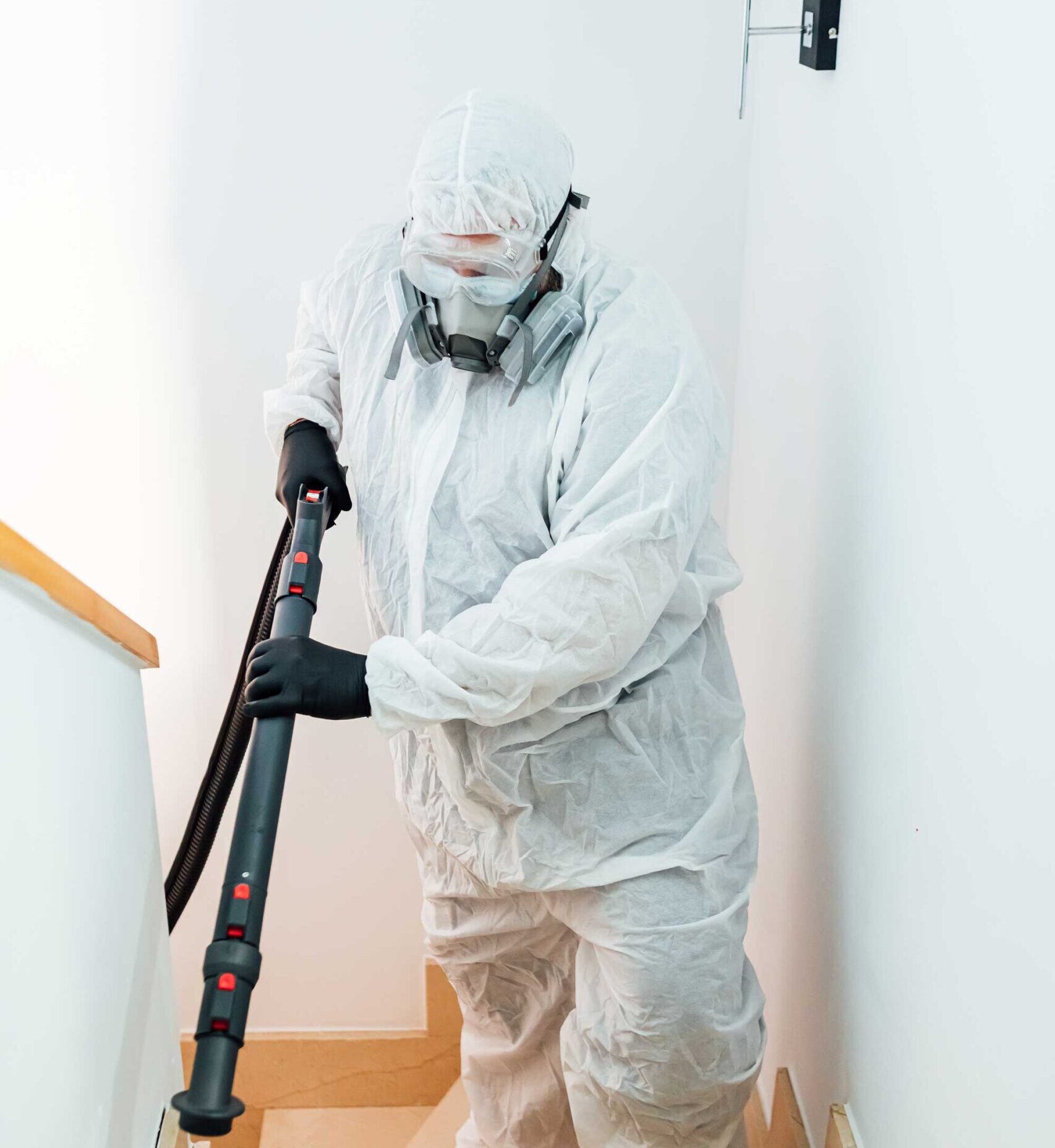
This is where HVAC mold remediation enters the conversation. If microbial growth has developed in or around parts of the system because moisture persisted there, cleaning the visible signs without correcting the mechanical or drainage issue will not hold. The same logic applies throughout the house. The fix has to reach the source.
What recurring mold is really telling you
Visible mold gets people moving, and that is understandable. It is unpleasant, and nobody wants to ignore it. But recurring mold is even more informative than first-time mold. Florida guidance makes the point plainly: visible mold or recurring mold usually means the underlying moisture source still needs to be fixed.
That is why successful mold removal in Groveland is not just about what gets cleaned or removed. It is about why those materials stayed wet https://telegra.ph/How-to-Compare-Remediation-Companies-for-Lake-Orange-Seminole-and-Osceola-Properties-10-26 in the first place. In practice, that could trace back to a hidden plumbing leak, persistent humidity, a roof issue, or condensation around the HVAC system. The answer is different from house to house, which is one reason cookie-cutter advice often fails older homes.
A homeowner might scrub a closet wall three times in one season and assume the paint is the problem. More often, the closet is cooler, darker, and less ventilated than the surrounding rooms, and humidity is collecting there. Until the moisture condition changes, the mold returns.
Flooding, storms, and the hours that matter most
After flood or storm water enters a home, the conversation shifts from prevention to damage control. FEMA and CDC guidance stress that reentry should focus first on safety, utilities, and contamination risks. Flooded homes can contain both mold and sewage, which means a soaked floor is not just a drying issue. It can become a health issue.
The first day after a flood, major storm, or serious plumbing overflow is often where outcomes diverge. Quick drying and proper cleanup can reduce secondary damage. Delays tend to multiply it. Materials that stay wet too long are more likely to support mold growth, retain odor, or require removal.
There are also practical household decisions that should not be overlooked. CDC guidance says food exposed to flood or storm water should be thrown away. It also urges caution with generators because of fire and carbon monoxide risks. In the rush to save belongings, people sometimes cut corners on these basics. That is understandable, but it is not worth the risk.
When floodwater or sewage is involved, a standard mop-and-fan approach is not enough. Sewage cleanup requires protective precautions, and affected areas should be isolated during cleanup. In those cases, homeowners are often better served by calling emergency restoration services or a remediation company in Lake County with the right training for contaminated water events.
Insurance, documentation, and not making a hard week harder
Homeowners are usually stressed enough after a storm, smoke event, or plumbing loss. The last thing anyone wants is confusion over what was damaged, what was thrown away, and what was discussed with the insurer. FEMA recovery guidance recommends documenting damage and coordinating with your insurer during cleanup and repairs after flood, storm, smoke, or fire events. That advice saves frustration.
Photos taken before disposal, notes about when the damage was discovered, and a running list of affected rooms and items can all help. The NAIC also reminds consumers that homeowners insurance is a legal contract, and homeowners should ask questions, understand coverage, and keep an inventory to help with claims. That matters because assumptions cause problems. Some people start large repairs before they understand what their policy requires. Others discard damaged contents without documenting them well.
The same principle applies after a fire. The U.S. Fire Administration notes that the first 24 hours are important for safety checks, salvaging what is safe, and starting insurance and recovery steps. Fire and smoke damage cleanup often overlaps with water damage because firefighting efforts can soak materials. Then odor removal becomes part of the job as well. It is rarely just one issue.
Renovation in an older home can uncover more than moisture
A lot of homeowners in Groveland discover moisture damage while planning a remodel. They pull back old materials in a bathroom, kitchen, or laundry area and find staining, soft drywall, or mold. In homes built before 1978, EPA guidance says renovation, repair, or painting can disturb lead-based paint. For older homes, major renovation or demolition can also raise asbestos concerns if asbestos-containing materials are present.
That means moisture repairs in an older home sometimes need a more careful path than people expect. Tearing into suspect materials without proper planning can create a new hazard while trying to solve the old one. If a project involves disturbing older materials, it may be wise to slow down and ask whether Groveland FL asbestos testing is appropriate before demolition or invasive repair begins. If asbestos-containing materials are involved, asbestos abatement in Lake County has to be handled under applicable rules.
This is one of those moments where patience beats speed. Homeowners who rush straight to demolition can create a mess that is more expensive and harder to manage than the moisture problem they started with.
When to handle it yourself, and when not to
Some prevention is basic homeowner work. Looking for leaks, improving daily moisture habits, and responding quickly to warning signs are all sensible. But certain situations move beyond ordinary DIY very quickly, especially in older homes.
Here are the cases where professional help is usually the safer call:
- Flooding from storm water, especially when the source or contamination level is uncertain.
- Sewage backup or any water event involving black water or suspected contamination.
- Recurring mold that keeps coming back after cleanup.
- AC-related moisture issues tied to musty airflow, drain-pan concerns, or visible growth near the system.
- Renovation work that may disturb older materials with lead or asbestos concerns.
Homeowners do not need to panic at every stain, but they should respect patterns. Recurrence is the big clue. If the same room smells musty every rainy week, if the same baseboard swells again after being repaired, or if the same vent area keeps discoloring, the house is asking for a deeper diagnosis.
The best moisture prevention habits are boring, and that is a compliment
Prevention usually looks ordinary. It looks like checking the house after hard rain. It looks like not ignoring the faint smell in the guest bathroom. It looks like getting the AC examined when the indoor air feels sticky even though the thermostat says things are fine. It looks like taking a plumbing drip seriously because older homes forgive less.
The homeowners who avoid major remediation most often are not the luckiest. They are the ones who do not wait for proof in the form of visible damage. They respect how Florida humidity works, how quickly wet materials can shift from inconvenience to mold problem, and how older homes reveal their weak spots slowly.
In Lake County, moisture control is really about timing. The earlier you respond, the more options you keep. A roof leak caught after the first stain is one kind of job. The same leak discovered after a season of storms can lead to mold removal in Groveland, damaged materials, odor issues, and a much longer repair timeline. An AC problem addressed when the house first starts feeling clammy may be a straightforward service call. Left alone, it can feed broader indoor moisture trouble and even lead to HVAC mold remediation.
Older Florida homes can absolutely stay healthy and comfortable. They just need a homeowner who pays attention to moisture before moisture starts making decisions for the house.